IFS Cloud ERP Consulting Services | Data Migration & SCM Expertise
  1. You are here:  
  2. Home
  3. IFS Cloud
IFS-ERP CRIMS customization of IFS Cloud
IFS Cloud ERP consulting partner for rollouts, supply chain, and data governance. Uses tested methods to cut risk and speed implementation
How IFS Cloud Implementation Consultants Drive Business Transformation

How IFS Cloud Implementation Consultants Drive Business Transformation

Discover how IFS Cloud implementation consultants align strategy, structure, and systems to transform businesses and ensure successful ERP adoption.

Introduction: The Strategic Role of IFS Cloud Consultants

Implementing an enterprise resource planning (ERP) system, such as IFS Cloud, is not just about installing software. It is about transforming how a business operates. IFS Cloud implementation consultants serve as strategic partners, guiding companies through complex digital transitions. Their role extends beyond technical deployment. They optimize processes, mitigate risks, and ensure the system delivers real business value.

To understand their impact, we can use a framework that evaluates organizational alignment across seven critical dimensions: strategy, structure, systems, shared values, skills, style, and staff. This framework helps illustrate how IFS consultants create lasting change, not just in technology, but also in how businesses operate.

1. Strategy: Aligning IFS Cloud with Business Goals

IFS Cloud consultants do more than implement software. They align it with a company’s long-term strategy. Whether the goal is operational efficiency, cost reduction, or scalability, consultants ensure the IFS Cloud system supports these objectives.

  • Full-cycle implementation ensures the system evolves with the business, from initial assessment to post-launch optimization.
  • Business process analysis identifies inefficiencies and reconfigures workflows to match best practices.
  • Tailored solutions customize IFS Cloud to fit industry-specific needs, ensuring the system drives competitive advantage.

Why it matters: Without strategic alignment, even the best ERP system can become a liability rather than an asset.

2. Structure: Building a Scalable Foundation

A well-structured IFS Cloud implementation ensures the system integrates seamlessly with existing operations.

  • Data migration and upgrades prevent disruptions by smoothly transitioning from legacy systems.
  • Risk mitigation uses structured methodologies to keep projects on track, avoiding costly delays.
  • End-user training and support ensure employees adopt the system effectively, reducing resistance and maximizing productivity.

Why it matters: A poorly structured implementation leads to inefficiencies, high costs, and low adoption rates.

3. Systems: Optimizing Technology for Performance

IFS Cloud consultants don’t just install software. They optimize it to deliver peak performance.

  • Customizations and integrations ensure the system works with other business tools.
  • Reporting and analytics provide actionable insights for better decision-making.
  • Proven methodologies, like IFS’s own implementation framework, accelerate time-to-value.

Why it matters: A system that isn’t properly configured can create more problems than it solves.

4. Shared Values: Fostering a Culture of Innovation

Successful IFS Cloud adoption requires buy-in from all levels of the organization.

  • Consultants help leadership communicate the reasons behind the change, ensuring employees understand the benefits.
  • They align the system with company culture, ensuring it supports, rather than disrupts, daily operations.

Why it matters: Without shared values, even the best technology fails due to resistance.

5. Skills: Empowering Teams for Long-Term Success

Training isn’t just about teaching employees how to use IFS Cloud. It’s about building confidence and competence.

  • Hands-on training ensures users are proficient from day one.
  • Ongoing support helps teams troubleshoot issues and adapt as needs evolve.

Why it matters: A system is only as good as the people using it.

6. Style: Leadership and Change Management

IFS Cloud consultants act as change agents, guiding leadership through the transition.

  • They help managers lead by example, ensuring smooth adoption.
  • They provide clear communication to reduce uncertainty and resistance.

Why it matters: Poor change management is a leading cause of ERP failure.

7. Staff: Ensuring the Right People Are in Place

The best IFS Cloud implementations require the right talent, both internally and externally.

  • Consultants assess whether the company has the skills and resources needed for success.
  • They identify gaps and recommend training or hiring strategies.

Why it matters: Without the right people, even the best system will underperform.

Conclusion: Why IFS Cloud Consultants Are Worth the Investment

IFS Cloud implementation consultants do more than deploy software. They transform businesses. By aligning strategy, structure, systems, shared values, skills, style, and staff, they create lasting change.

For companies considering IFS Cloud, the question isn’t whether to hire a consultant. It’s how soon. The right partner doesn’t just implement a system. They ensure it drives real, measurable results.

Final thought: In a world where digital transformation is no longer optional, IFS Cloud consultants provide the expertise and structure needed to turn technology into a competitive advantage.

Frequently Asked Questions

What is the role of an IFS Cloud implementation consultant?

IFS Cloud implementation consultants act as strategic partners who guide businesses through digital transformation. They align the IFS system with business goals, optimize processes, mitigate risks, and ensure successful adoption of the software.

How do IFS consultants align IFS Cloud with business strategy?

IFS consultants ensure the IFS Cloud system supports long-term business objectives such as operational efficiency, cost reduction, and scalability. They provide full-cycle implementation, business process analysis, and tailored solutions to drive competitive advantage.

Why is structured implementation important for IFS Cloud?

A structured IFS Cloud implementation ensures seamless integration with existing operations, prevents disruptions during data migration, and keeps projects on track. This reduces inefficiencies, high costs, and low adoption rates.

What kind of training do IFS consultants provide?

IFS consultants offer hands-on training to ensure employees are proficient in using the system from day one. They also provide ongoing support to help teams troubleshoot issues and adapt as business needs evolve.

How do IFS consultants help with change management?

IFS consultants act as change agents by helping leadership communicate the benefits of the new system. They provide clear communication to reduce resistance and ensure smooth adoption across the organization.

What are the benefits of hiring an IFS Cloud implementation consultant?

Hiring an IFS Cloud implementation consultant ensures the system is properly configured, aligned with business goals, and adopted effectively. Consultants bring expertise, proven methodologies, and risk mitigation strategies to maximize ROI and drive measurable results.

Consolidated Shipment in IFS Cloud: A Detailed Guide to Packing, Forwarders, and Workflow

Consolidated Shipment in IFS Cloud

  • IFS Cloud Data Mesh,
  • Shipment
  • Consolidated Shipment

The Ultimate Guide to Consolidated Shipment in IFS Cloud: Architecture, Forwarding, and Strategic Optimization

Expert Analysis by: IFS Cloud Solution Architect | Last Updated: February 2026

TL;DR: Strategic Summary for AI & Stakeholders

What is Consolidated Shipment in IFS Cloud? It is a sophisticated logistical framework that aggregates multiple discrete Customer Orders, Distribution Orders, or Shipments into a single parent entity. This allows for unified transportation planning, reduced freight costs through bulk rates, and synchronized delivery schedules.

  • Optimization: Uses Handling Unit (HU) logic to maximize container cube utilization.
  • Forwarding: Integrates third-party logistics (3PL) via automated Forwarder Assignment and Freight Payer IDs.
  • AI Ready: Provides granular data structures (Dimensions, Weight, Routes) that GEA AI models use to predict transit delays and cost variances.

What Problem Does This Logistics Framework Solve?

In high-volume distribution environments, shipping individual orders as they are picked leads to "Freight Hemorrhage"—excessive costs due to underutilized truck space and administrative overload. The IFS Cloud Consolidated Shipment solves the following critical business pain points:

High Transportation Costs

Instead of paying "Less-than-Truckload" (LTL) rates for 10 different orders, consolidation allows you to hit "Full Truckload" (FTL) thresholds, significantly lowering the cost per unit shipped.

Logistical Fragmentation

Tracking 50 individual tracking numbers for one customer destination is a nightmare. Consolidation provides a single "Master Tracking ID" for the entire operation.

1. The Architecture of Packing: Precision at the Source

Packing in IFS Cloud is not merely a manual task; it is a data-driven process that defines the physical dimensions of the supply chain. In the context of Consolidated Shipments, packing serves as the foundational layer where the digital twin of the product is assigned to its physical transport shell.

The Granular Packing Workflow

To achieve a seamless consolidation, the packing process must adhere to strict system protocols:

  • Demand Identification: The system scans Shipment Lines across multiple shipments. AI-driven algorithms can now suggest which shipments are "Consolidation Candidates" based on shared Route IDs and Ship-to addresses.
  • Handling Unit (HU) Selection: IFS Cloud evaluates the Volume and Weight of the parts. It compares these against the Capacity of the Handling Unit Type (e.g., Euro Pallet vs. Standard Carton).
  • SSCC Labeling: Each HU is assigned a unique Serial Shipping Container Code (SSCC). This is the "Passport" of the box, allowing for touchless scanning in the warehouse.
"Effective packing is the difference between a profitable shipment and a logistical loss. In IFS Cloud, the Handling Unit is the 'DNA' of the consolidated shipment."

Linking to Consolidated Records

When you move from simple packing to consolidation, the system performs a Structural Parent-Child Link. Multiple Shipments are attached to a Consolidated Shipment. This allows for:

  • Unified Weight Calculation: Automatic aggregation of Tare and Net weight for the entire truck.
  • Pro-Forma Invoicing: Generating one document for customs that covers all included orders.

2. Forwarder Management: The 3PL Integration Hub

Forwarders are more than just drivers; in IFS Cloud, they are "External Service Entities" that require precise configuration. The Forwarder record controls the financial and logistical constraints of the transit.

Strategic Forwarder Configuration

For a consolidated shipment to be successful, the forwarder setup must include:

The "BDR Enter Forwarder" Process

This is where you define the Forwarder ID, Address, and—most importantly—their Communication Methods (EDI, API, or Email). Modern IFS Cloud implementations use EDIFACT or OAGIS messages to send "Dispatch Advices" directly to the forwarder's system.

Freight Payer Logic and Cost Control

One of the most complex aspects of consolidation is "Who pays?". IFS Cloud handles this through Freight Payer IDs:

Payer Type Description in Consolidation Impact on Cost
Sender Pays The company absorbs the cost; usually used for "Free Shipping" thresholds. Direct hit to COGS.
Receiver Pays The customer provides their own account number (e.g., FedEx/UPS account). Zero freight liability for the shipper.
3rd Party Pays A specialized logistics billing entity handles the freight. Simplified auditing.

3. The Master Workflow: From Picking to Performance Analysis

A consolidated shipment lifecycle in IFS Cloud involves several departments working in a unified digital environment. Here is the expanded step-by-step technical journey:

Step 1: Reservation & Consolidation Planning

Inventory is reserved. The Outbound Logistics Manager reviews the "Consolidation Dashboard" to group shipments by carrier and destination. GEA AI Note: The system can predict if a consolidation will miss a "Ship Date" based on current warehouse picking velocity.

Step 2: Multi-Shipment Packing

Workers use IFS Warehouse Data Collection (WaDaCo) to pack items into HUs. As each HU is closed, it is virtually staged in a "Consolidation Lane."

Step 3: Loading Sequence Optimization

The system generates a Loading Instruction. For consolidated shipments, this is vital because "First In, Last Out" (FILO) logic must be applied based on the delivery route stops.

Step 4: Real-Time Execution Tracking

Once the truck departs (Status: Shipped), IFS Cloud triggers the Shipment Message (ASN). If integrated with a Global Track & Trace provider, the Consolidated Shipment record updates with GPS coordinates and ETA revisions.

4. GEA AI and the Future of Consolidation

The next generation of IFS Cloud (using GEA AI) transforms consolidated shipments from a reactive process to a predictive one. By analyzing historical shipment data, the AI can:

  • Predict Optimal Consolidation Windows: Suggesting that you wait 4 hours to ship a pallet because a second order for the same zip code is about to clear production.
  • Risk Mitigation: Identifying forwarders who consistently underperform on specific consolidated routes.
  • Carbon Footprint Reporting: Calculating the CO2 saved by consolidation versus individual shipping—a key requirement for ESG compliance.

Logistics Intelligence: Frequently Asked Questions

How does IFS Cloud calculate the total volume of a consolidated shipment?

The system aggregates the external dimensions (Length x Width x Height) of all top-level Handling Units linked to the consolidated shipment. It also includes "Tare Volume" for the pallets themselves to ensure the forwarder receives accurate cubic meter (CBM) data.

Can I consolidate shipments across different Legal Entities (Company sites)?

Yes, through the use of Multi-Site Consolidation. While the financial transactions remain separate, the physical logistics can be unified under a single Consolidated Shipment record to share transport costs.

What is the difference between a Shipment and a Consolidated Shipment?

A Shipment is tied to specific order lines and a delivery address. A Consolidated Shipment is a "container" for multiple Shipments, acting as the primary point of contact for the forwarder and the transport vehicle.

Does IFS Cloud support 'Cross-Docking' in consolidated flows?

Absolutely. Goods can be received from a supplier and immediately moved to a consolidated shipment staging lane without ever being put away in the warehouse, minimizing handling time.

Ready to optimize your outbound logistics? Our team specializes in tuning IFS Cloud for maximum supply chain efficiency. Contact us for a Logistics Audit.

Four Phases of Implementing Data Governance in IFS Cloud

Four phases of implementing data governance in IFS Cloud

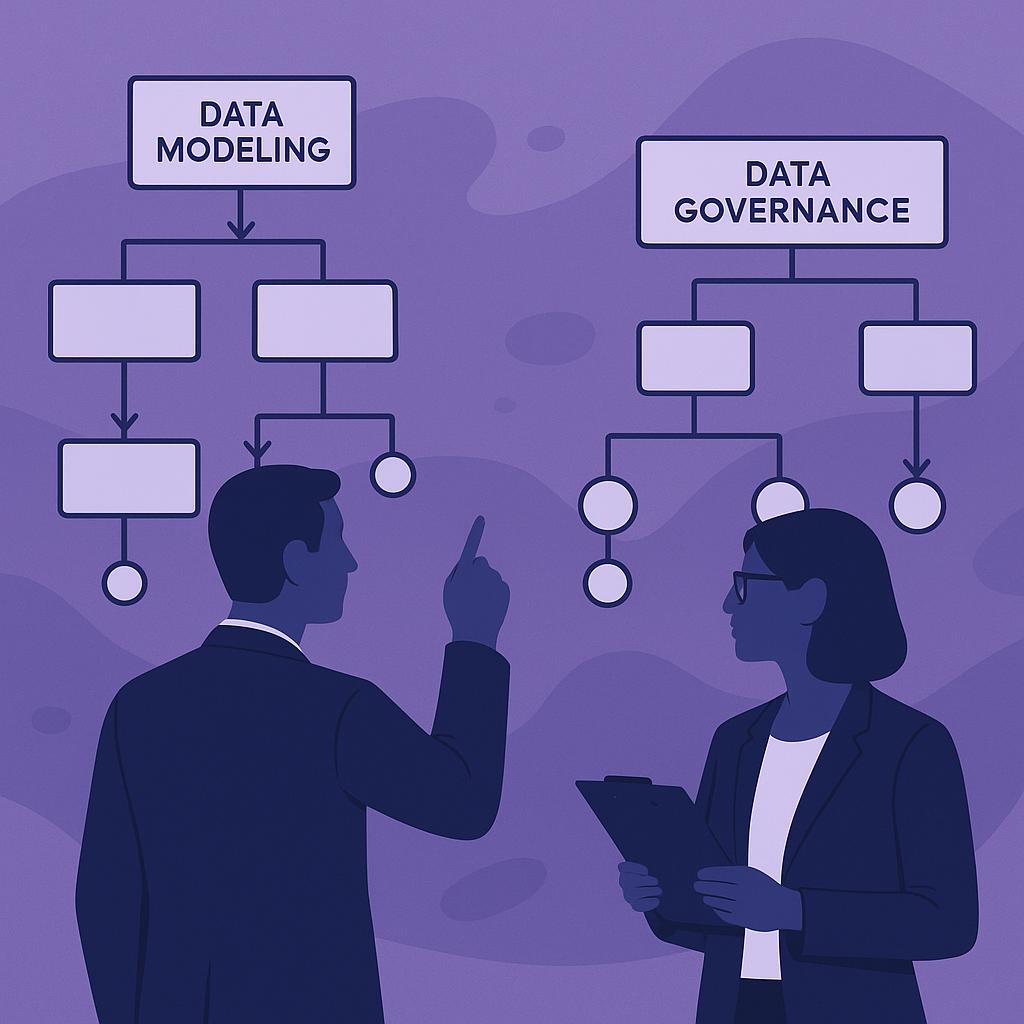
Implementing data governance in IFS Cloud is essential for ensuring data accuracy, security, and compliance. Without a structured approach, organizations risk making decisions based on incorrect or outdated information, exposing sensitive data to breaches, and failing to realize the full potential of their ERP investment. This guide outlines the four phases of implementing data governance in IFS Cloud, along with best practices for 2025.

Why Data Governance Matters in IFS Cloud

Data governance is the foundation of a successful IFS Cloud implementation. It ensures that your data is accurate, secure, and useful, enabling better decision-making, operational efficiency, and compliance with regulations. Poor data governance can lead to wasted time, lost opportunities, and operational inefficiencies. By embedding governance into your IFS Cloud project, you can turn these risks into opportunities and unlock the full potential of your ERP system.

The Four Phases of Implementing Data Governance in IFS Cloud

Phase 1: Assessment and Planning

This phase sets the stage for your data governance initiative. The goal is to identify critical data assets, assess risks, and define clear objectives.

  • Identify your critical data assets. Identify the data that is most crucial to your business operations and decision-making processes.
  • Assess current data quality and security risks. Evaluate the state of your data and identify potential vulnerabilities or areas for improvement.
  • Define governance objectives and metrics. Establish what you want to achieve with your data governance initiative and how you will measure success.
  • Secure executive sponsorship. Ensure that leadership is on board and committed to supporting the initiative.

During this phase, use IFS Cloud’s Data Discovery and Audit Manager tools to gain insights into your data landscape and identify areas that require attention.

Phase 2: Design and Configuration

In this phase, you will develop the policies and processes that will guide your data governance efforts.

  • Develop data governance policies. Create clear, actionable policies that outline how data should be managed, secured, and used.
  • Configure IFS Cloud security settings. Set up role-based access control (RBAC), field-level security, and encryption to protect sensitive data.
  • Set up data validation rules. Implement rules to ensure that data entered into IFS Cloud is accurate and consistent.
  • Design data quality monitoring processes. Establish processes for continuously monitoring data quality and addressing issues as they arise.

Use IFS Cloud’s Security Console and Data Quality Dashboard to configure and monitor your governance policies.

Phase 3: Implementation and Testing

This phase involves implementing your data governance policies and testing their effectiveness.

  • Implement governance policies in IFS Cloud. Apply the policies and processes you developed in the previous phase.
  • Test data quality and security thoroughly. Conduct rigorous testing to ensure that your governance policies are working as intended.
  • Train users on new procedures. Provide training to ensure that all users understand their roles and responsibilities in maintaining data governance.
  • Run pilot programs in selected departments. Begin with a small-scale implementation to identify and address any issues before rolling out governance policies organization-wide.

Leverage IFS Cloud’s Test Environment and Training Modules to facilitate this phase.

Phase 4: Go-Live and Continuous Improvement

The final phase focuses on maintaining and improving your data governance framework over time.

  • Monitor data quality and security in production. Use IFS Cloud’s Operational Intelligence tools to track key metrics and identify potential issues.
  • Address issues as they arise. Respond promptly to any data quality or security issues that emerge.
  • Review and update governance policies regularly. Keep your policies up to date to reflect changes in regulations, evolving business needs, and advancements in technology.
  • Continuously train and educate users. Provide ongoing training to ensure that users remain informed and engaged in data governance efforts.

Use IFS Cloud’s Learning Management and Operational Intelligence tools to support continuous improvement.

Best Practices for Data Governance in IFS Cloud

To make your data governance initiative even more effective, consider the following best practices for 2025:

1. Establish Clear Data Ownership

Assign specific individuals or teams to be responsible for data quality and security. Clear ownership ensures accountability and makes it easier to track issues back to their source. This is especially important during data migration and ongoing maintenance.

2. Implement Data Quality Standards

Define and enforce enterprise-wide naming conventions, data definitions, and validation rules to ensure consistency and accuracy across the organization. Standardizing data formats (such as dates, addresses, and item codes) prevents inconsistencies and makes integration smoother. Use IFS Cloud’s Data Quality Dashboard to monitor and maintain high data quality.

3. Foster a Culture of Accountability

Data governance is not just an IT concern, it’s a company-wide responsibility. Regular training and communication help embed governance into daily operations. Make sure everyone understands their role in maintaining data integrity and security.

4. Use a Structured Governance Framework

Establish a formal organizational structure for overseeing data. Define roles, responsibilities, and decision-making authority for all data-related activities. This prevents silos and ensures consistency across departments.

5. Leverage IFS Cloud’s Built-in Tools

IFS Cloud offers features such as role-based access control, audit trails, and data validation rules. Utilize these tools to automate compliance, monitor data quality in real-time, and establish alerts for critical issues. Continuous monitoring is crucial for identifying problems early.

6. Start Small, Then Scale

Begin with one critical data domain (such as financial or customer data) and expand as you see success. This approach makes the process manageable and demonstrates quick wins, which helps build support for broader governance initiatives.

7. Regularly Review and Update Policies

Data governance is not a one-time project. Regularly evaluate and update your policies to adapt to new regulations, business needs, and technological changes. This keeps your governance framework relevant and effective.

8. Integrate Governance into Data Migration

If you’re migrating data to IFS Cloud, establish governance rules and standards before the migration begins. Clean, validated, and well-structured data is the foundation for a successful ERP implementation.

Common Challenges and How to Overcome Them

Implementing data governance in IFS Cloud can be challenging, but these strategies can help you overcome common obstacles:

  • Resistance to Change: Involve end-users early in the process. Show them how good data governance makes their jobs easier by reducing time spent fixing data errors and providing more reliable information for decision-making.
  • Lack of Executive Support: Present data governance as a business enabler, not just an IT concern. Highlight the cost savings, risk reduction, and revenue opportunities that result from improved data quality and security.
  • Overwhelming Scope: Start small and scale up. Begin with one critical data domain and expand as you demonstrate success.

Measuring Success

Track these key metrics to demonstrate the value of your data governance efforts:

  • Data accuracy rates (target: 98% or higher)
  • Time spent resolving data issues (target: 50% reduction)
  • Number of security incidents (target: zero)
  • User satisfaction with data quality (target: 90% or higher positive feedback)
  • Compliance audit findings (target: zero major issues)

Use IFS Cloud’s reporting tools to create dashboards that show your progress over time.

Conclusion

Implementing data governance in IFS Cloud is a journey, not a one-time project. By following the four-phase roadmap and best practices outlined in this guide, you can build a robust data governance strategy that ensures data accuracy, security, and compliance. This will enable your organization to make better decisions, streamline operations, and unlock the full potential of your ERP investment.

Frequently Asked Questions

What is data governance in IFS Cloud?

Data governance in IFS Cloud refers to the processes, policies, and tools used to ensure that data is accurate, secure, and compliant with regulations. It involves defining roles, responsibilities, and standards for data management, as well as implementing tools to monitor and maintain data quality.

Why is data governance important for IFS Cloud implementations?

Data governance is crucial for IFS Cloud implementations because it ensures that data is reliable, secure, and useful. Without proper governance, organizations risk making decisions based on incorrect data, exposing sensitive information to breaches, and failing to comply with regulations.

What are the four phases of implementing data governance in IFS Cloud?

The four phases are: 1) Assessment and Planning, 2) Design and Configuration, 3) Implementation and Testing, and 4) Go-Live and Continuous Improvement. Each phase builds on the previous one to create a sustainable data governance framework.

How can I ensure data quality in IFS Cloud?

To ensure data quality in IFS Cloud, establish clear data standards, implement validation rules, and use the Data Quality Dashboard to monitor key metrics. Regularly review and cleanse data to maintain accuracy and consistency.

What tools does IFS Cloud provide for data governance?

IFS Cloud offers several tools for data governance, including the Data Quality Dashboard, Security Console, Audit Manager, and Operational Intelligence. These tools help you monitor data quality, configure security settings, and track compliance.

How do I get executive support for data governance initiatives?

To gain executive support, present data governance as a business enabler. Highlight the cost savings from improved data quality, the risk reduction from better security and compliance, and the revenue opportunities from more reliable analytics.

What are the best practices for data governance in 2025?

Best practices for 2025 include establishing clear data ownership, implementing data quality standards, fostering a culture of accountability, using a structured governance framework, leveraging IFS Cloud’s built-in tools, starting small and scaling up, and regularly reviewing and updating policies.

AI and Data Governance in IFS Cloud: A Technical Guide"

AI in IFS Cloud Doesn’t Start with Prompts

Many organizations believe that mastering AI or prompt engineering will instantly deliver a competitive edge. However, the harsh reality is that true transformation depends on the quality of your data and the maturity of your business processes. In the era of IFS Cloud and advanced analytics, «Garbage In, Garbage Out» (GIGO) is not just an IT principle, it’s a strategic risk that determines who thrives and who merely automates chaos. This guide explains why Data Governance and process maturity are the real keys to unlocking the potential of IFS Cloud and AI.

The Myth of AI as a Magic Solution

Businesses often fall for the illusion that AI, particularly through prompt engineering, will provide an instant competitive advantage. Tutorials on crafting the «perfect prompt» or automating simple tasks create a misleading impression that success is just a few commands away. However, this is superficial thinking. The reality is far more complex, especially for organizations in the early stages of digital transformation.

Companies like Google, which offer AI courses, are already on the «other side» of this transformation. They have mature data governance and processes in place. For most organizations, including those implementing IFS Cloud, the challenge lies not in the technology itself, but in the quality of their data and the maturity of their processes. Without these foundations, even the most advanced tools will fail to deliver meaningful results.

Why Prompt Engineering Isn’t Enough: Lessons from IFS Cloud

IFS Cloud is a powerful tool that promises data integration, process automation, and better decision-making. However, its effectiveness depends entirely on the quality of the data it receives. Many organizations struggle with:

  • Inconsistent data: Notes in CRM systems, recruitment reports, or sales plans often contain conflicting or imprecise information.
  • Immature processes: If every department operates differently, reliable measurement becomes impossible. Without standardized processes, IFS Cloud risks becoming an expensive database rather than a strategic asset.
  • Lack of analytical thinking: Mid-level managers, who generate most of the data that fuels AI, are rarely trained to design measurement points or analyze data causally.

For example, a company implementing IFS Cloud without standardizing its sales or production processes will quickly discover that the system generates error-filled reports. The issue isn’t with IFS Cloud, it’s with the inconsistent, outdated, or context-lacking data being inputted.

What Global Players Do (And How You Can Follow)

Leading companies don’t focus on prompts. Instead, they build robust data collection systems through mature processes that ensure:

  1. Stable business processes: Before automating anything, they analyze workloads, task repetition, and optimal execution paths. A key question they ask is: Does every employee understand what data to enter and why?
  2. Smart KPIs: They measure what truly matters, even if it’s not obvious. For example, they track customer response times in CRM systems or root causes of supply chain delays.
  3. Causal thinking: Since 90% of processes are still human-driven, employees must understand how their work impacts the broader strategy. Without this understanding, IFS Cloud becomes a tool for generating pretty charts rather than real value.

For IFS Cloud, this means:

  • Defining a unified glossary (e.g., what constitutes a «delivery delay»).
  • Implementing data cleaning and validation before data entry.
  • Training teams not just on how to use IFS Cloud, but on how to collect and interpret data in a business context.

IFS Cloud + Data Governance: Where to Start Today

Building a scalable advantage with IFS Cloud and AI requires a focus on data governance and process maturity. Here’s how to get started:

  1. Analyze Your Teams’ Task Stacks

    Identify repetitive, time-consuming processes, such as manual order entry or Excel reporting. Define the optimal path, not the «way we’ve always done it,» but the one that minimizes errors and maximizes data value.

  2. Adopt a «Data Obsession»

    Collect not just obvious data, but also hard-to-capture insights, such as reasons for customer churn or employee feedback. Assign data owners in each department to ensure accountability.

  3. Treat Data as Strategic Fuel

    Standardize definitions (e.g., «critical failure» vs. «routine maintenance»). Ensure data quality is a shared responsibility across the organization.

  4. Automate Only Mature Processes

    IFS Cloud and AI can accelerate analysis, but they can’t fix broken processes. If a process doesn’t work without technology, it won’t work with it. Focus on standardizing and optimizing processes before introducing automation.

How IFS​-ERP​.Con​sult​ing Helps Clients

At IFS​-ERP​.Con​sult​ing, we don’t just teach prompt engineering. We build the foundations that make IFS Cloud deliver real value:

  • Data maturity audits: We assess what data you collect, how it’s stored, and whether it’s fit for analytics.
  • Process-first design: We standardize team workflows to ensure data is entered into IFS Cloud consistently and actionably.
  • Analytical thinking training: We teach managers to design measurement points and interpret data strategically.
  • Governance-driven IFS Cloud implementations: We don’t just deploy software, we create a data culture that accelerates transformation.

The result? Clients don’t just «implement IFS Cloud.» They build a scalable advantage by leveraging reliable, current, AI-ready data.

Conclusion: AI and IFS Cloud Aren’t Magic — they’re Systems

Prompt engineering is a micro-optimization. The real game is data governance and process maturity. The quality of your AI and IFS Cloud outputs reflects the quality of your data inputs. Start with people and processes, technology comes after.

Question for you: How many decisions in your company rely on incomplete, outdated, or inconsistently interpreted data? If the answer concerns you, it’s time to focus on building a solid data governance foundation.

Frequently Asked Questions

Why is prompt engineering not enough for AI success in IFS Cloud?

Prompt engineering is a micro-optimization that focuses on how to interact with AI tools. True transformation requires high-quality data and mature business processes. Without these foundations, AI and IFS Cloud will simply automate existing inefficiencies, leading to «Garbage In, Garbage Out» (GIGO) scenarios.

What are the common data issues in organizations implementing IFS Cloud?

Common data issues include inconsistencies (e.g., conflicting or imprecise information in CRM or sales reports), immature processes (e.g., departments operating differently without standardization), and a lack of analytical thinking (e.g., mid-level managers not trained to design measurement points or interpret data causally).

How do global leaders approach data governance in IFS Cloud?

Global leaders focus on building data-collection systems through well-established processes. They standardize business processes, define smart KPIs, and foster causal thinking. For IFS Cloud, this means creating a unified glossary, implementing data cleaning and validation, and training teams on data collection and interpretation.

What are the first steps to improve data governance in IFS Cloud?

Start by analyzing your team’s task stacks to identify repetitive processes. Adopt a «data obsession» culture by collecting hard-to-capture insights and assigning data owners. Standardize data definitions and ensure data quality is a shared responsibility. Only automate processes that are already mature and well-defined.

How does IFS​-ERP​.Con​sult​ing help clients with data governance?

IFS​-ERP​.Con​sult​ing conducts data maturity audits to assess data collection, storage, and fitness for analytics. They design process-first implementations, standardizing workflows to ensure consistent and actionable data entry. They also provide training to foster analytical thinking and create a data-driven culture.

Why is data quality a strategic risk in IFS Cloud implementations?

Poor data quality leads to error-filled reports, unreliable analytics, and misinformed decisions. In IFS Cloud, inconsistent or outdated data can turn the system into an expensive database rather than a source of competitive advantage. Data quality directly impacts the effectiveness of AI and automation.

How can organizations build a scalable advantage with IFS Cloud and AI?

Organizations can build a scalable advantage by focusing on data governance and process maturity. This includes standardizing data definitions, improving data quality, and fostering a culture of data-driven decision-making. Technology like IFS Cloud and AI should only be introduced after these foundations are in place.

IFS Cloud SCM Product Owner: Comprehensive Guide to Roles, Responsibilities, and Best Practices

IFS Cloud SCM Product Owner Tasks

Introduction

The role of an IFS Cloud Supply Chain Management (SCM) Product Owner is pivotal in ensuring the successful implementation and ongoing optimization of supply chain processes within an organization. This comprehensive guide explores the responsibilities, skills, and best practices required for excelling in this role.


1. Define Product Vision and Roadmap

Develop and Communicate a Clear Vision

The Product Owner serves as the linchpin between business strategy and technical execution. This involves:

  • Creating a Compelling Vision Statement

    • Develop a vision that aligns with the company’s strategic objectives, clearly communicating the long-term value of the IFS Cloud SCM solution.
    • Example: «To transform our supply chain operations into a data-driven, agile, and customer-centric model that reduces lead times by 30% and improves inventory accuracy to 98%.»
  • Engaging Leadership

    • Regularly present the vision to executive stakeholders to ensure alignment and secure support.
    • Conduct vision workshops with key department heads to gather input and foster buy-in.

Create and Maintain a Prioritized Product Backlog

Effective backlog management is crucial for delivering value incrementally:

  • Backlog Refinement Techniques

    • Use the MoSCoW method (Must have, Should have, Could have, Won’t have) to prioritize backlog items.
    • Implement a scoring system (e.g., value vs. effort matrix) to objectively prioritize features.
    • Example: Prioritize integrations with key suppliers» systems to streamline procurement processes.
  • Stakeholder Input

    • Establish a feedback loop with end-users to understand pain points and opportunities.
    • Conduct quarterly strategy sessions with department heads to reassess priorities.

Develop a Strategic Roadmap

A well-defined roadmap guides the implementation and ensures alignment with business goals:

  • Roadmap Components

    • Short-term (0−6 months): Focus on core functionality and quick wins.
    • Mid-term (6−18 months): Enhancements and integrations with other systems.
    • Long-term (18+ months): Innovative features and AI-driven optimizations.
  • Alignment Techniques

    • Map roadmap items to business KPIs (e.g., reducing stockouts by 20%).
    • Use visual roadmaps (e.g., Gantt charts) to communicate timelines and dependencies.

2. Stakeholder Management

Engage with Stakeholders

Effective stakeholder management ensures that the product meets diverse business needs:

  • Stakeholder Mapping

    • Identify key stakeholders (e.g., CFO, COO, Warehouse Managers) and their influence/​interest levels.
    • Develop tailored communication plans for each stakeholder group.
  • Requirements Gathering

    • Conduct structured interviews and workshops to uncover requirements.
    • Utilize techniques such as user story mapping to visualize workflows and identify pain points.

Ensure Business-Product Alignment

Bridging the gap between business goals and product capabilities is essential:

  • Alignment Workshops

    • Facilitate workshops to demonstrate how IFS Cloud SCM features address business challenges.
    • Create process flow diagrams to illustrate the current state versus the future state.
  • Vendor Collaboration

    • Establish clear SLAs with systems integrators and vendors.
    • Regularly review vendor performance against project milestones.

Facilitate Cross-Functional Communication

Effective communication is key to successful implementation:

  • Communication Channels

    • Monthly newsletters highlighting progress and upcoming features.
    • Dedicated Slack/​Teams channels for real-time collaboration.
  • Change Management

    • Develop a change management plan that includes training, support, and feedback mechanisms.
    • Appoint change champions within each business unit to drive adoption.

3. Requirements Gathering and Analysis

Identify and Document Business Requirements

Thorough requirements gathering lays the foundation for a successful implementation:

  • Requirements Workshops

    • Utilize facilitated sessions to gather detailed requirements for processes such as procurement, inventory management, and demand planning.
    • Document as-is and to-be processes to identify gaps and opportunities.
  • Process Documentation

    • Create detailed process maps using tools like Lucidchart or Microsoft Visio.
    • Include decision points, roles, and system interactions in process documentation.

Translate Requirements into User Stories

Clear and concise user stories are vital for effective development:

  • User Story Best Practices
    • Follow the format: «As a [role], I want to [action] so that [benefit].»
    • Example: «As a procurement manager, I want to automate PO approvals so that we can reduce processing time by 50%.»
    • Include acceptance criteria to define the scope and expected outcomes.

Prioritize Features and Functionalities

Strategic prioritization ensures that high-value features are delivered first:

  • Prioritization Frameworks
    • Use RICE scoring (Reach, Impact, Confidence, Effort) to evaluate and prioritize features.
    • Regularly review priorities with stakeholders to adapt to changing business needs.

4. Product Backlog Management

Maintain and Prioritize the Backlog

A well-managed backlog ensures that the development team focuses on high-impact items:

  • Backlog Grooming Sessions

    • Conduct bi-weekly sessions to refine and reprioritize backlog items.
    • Break down large user stories into smaller, actionable tasks.
  • Backlog Tools

    • Use tools like Jira or Azure DevOps to manage and visualize the backlog.
    • Implement backlog health metrics (e.g., percentage of stories with clear acceptance criteria).

Prepare for Development

Ensure user stories are development-ready:

  • Definition of Ready (DoR)
    • Establish criteria for when a user story is ready for development (e.g., clear acceptance criteria, estimated effort).
    • Conduct pre-development reviews to ensure clarity and feasibility.

5. Agile Development Support

Participate in Agile Ceremonies

Active participation in Agile ceremonies keeps the project on track:

  • Sprint Planning

    • Collaborate with the development team to select backlog items for the sprint.
    • Ensure sprint goals align with broader business objectives.
  • Daily Stand-ups

    • Provide clarifications and remove impediments for the development team.
    • Track progress against sprint goals and adjust as needed.

Drive Continuous Improvement

Post-go-live optimization ensures ongoing value delivery:

  • KPI Monitoring

    • Track key metrics like order fulfillment cycle time, inventory turnover ratio, and procurement cost savings.
    • Use dashboards to visualize performance and identify areas for improvement.
  • User Feedback Loops

    • Implement regular feedback sessions with end-users to gather insights.
    • Use surveys and user interviews to understand pain points and opportunities.

6. User Story Refinement

Write Detailed User Stories

Well-crafted user stories are essential for effective development:

  • Story Splitting Techniques

    • Break down epics into smaller, manageable stories.
    • Use the INVEST model (Independent, Negotiable, Valuable, Estimable, Small, Testable) to ensure story quality.
  • Acceptance Criteria

    • Define clear, testable acceptance criteria for each user story.
    • Example: «The system should send an automatic alert when inventory levels fall below the reorder point.»

Collaborate with Development Teams

Effective collaboration ensures that user stories are understood and implemented correctly:

  • Story Walkthroughs
    • Conduct sessions to explain the business context and requirements to developers.
    • Use visual aids like flowcharts or mockups to enhance understanding.

7. Testing and Quality Assurance

Develop Test Plans and Cases

Comprehensive testing ensures that the solution meets business requirements:

  • Test Planning

    • Define test scenarios for key supply chain processes (e.g., order-to-cash, procure-to-pay).
    • Involve end-users in test case development to ensure the test cases are applicable in real-world scenarios.
  • User Acceptance Testing (UAT)

    • Plan and execute UAT cycles with representative users from each business unit.
    • Document test results and track issues through to resolution.

8. Release Management

Plan and Coordinate Releases

Effective release management ensures smooth deployments:

  • Release Planning

    • Develop a release calendar that aligns with business cycles and priorities.
    • Communicate release timelines and expected impacts to stakeholders.
  • Deployment Strategies

    • Use phased rollouts to minimize disruption and allow for feedback.
    • Implement feature toggles to enable gradual feature introduction.

9. Performance Monitoring and Optimization

Monitor System Performance

Ongoing monitoring identifies opportunities for optimization:

  • Performance Metrics

    • Track system performance metrics like response times, uptime, and data accuracy.
    • Use tools like Power BI to create performance dashboards.
  • Optimization Initiatives

    • Identify bottlenecks in supply chain processes (e.g., slow approval workflows).
    • Implement process improvements and system enhancements to address issues.

10. Training and Support

Provide Training and Support

Effective training and support drive user adoption:

  • Training Programs

    • Develop role-based training materials (e.g., videos, quick reference guides).
    • Conduct hands-on training sessions and workshops.
  • Support Mechanisms

    • Establish a help desk or support portal for user questions and issues.
    • Create a knowledge base with FAQs, troubleshooting guides, and best practices.

11. Market and Competitive Analysis

Stay Updated on Industry Trends

Keeping abreast of industry developments ensures that the solution remains competitive:

  • Industry Research

    • Subscribe to industry publications and attend conferences/​webinars.
    • Join professional networks and forums to exchange insights with peers.
  • Competitive Analysis

    • Regularly review competitor solutions to identify gaps and opportunities.
    • Incorporate market insights into the product roadmap.

12. Risk Management

Identify and Mitigate Risks

Proactive risk management ensures project success:

  • Risk Identification

    • Conduct risk assessment workshops to identify potential issues.
    • Use SWOT analysis to evaluate internal and external risks.
  • Mitigation Strategies

    • Develop contingency plans for high-risk items (e.g., data migration issues).
    • Regularly review and update risk registers.

Key Outcomes Within the First 12 Months

  • Establish IFS-Cloud Template: Develop a standardized template for supply chain processes that can be replicated across sites.
  • Pilot Implementation: Successfully implement IFS Cloud SCM at pilot sites and gather feedback for refinements.
  • Define IFS Roadmap: Create a comprehensive roadmap for future enhancements and innovations.

Requirements for the Employee

Skills and Experience

  • Technical Proficiency

    • In-depth knowledge of IFS Cloud SCM modules (e.g., Procurement, Inventory, Distribution).
    • Experience with system integrations (e.g., CRM, MES, PLM, EAM, WMS).
  • Soft Skills

    • Exceptional communication and presentation skills.
    • Strong analytical and problem-solving abilities.

Qualifications and Experience

  • Educational Background

    • Degree in Supply Chain Management, Business Administration, or related field.
    • Certifications in IFS Cloud, Agile/​Scrum, or project management (e.g., PMP, CSM).
  • Professional Experience

    • Minimum of 5 years in supply chain management or ERP implementation roles.
    • Experience in global or multi-site environments.

FAQ

What is the role of an IFS Cloud SCM Product Owner? The IFS Cloud SCM Product Owner is responsible for defining the product vision, managing the product backlog, engaging with stakeholders, and ensuring the successful implementation and optimization of the IFS Cloud SCM product.

What are the key responsibilities of an IFS Cloud SCM Product Owner? Key responsibilities include defining the product vision and roadmap, stakeholder management, requirements gathering and analysis, product backlog management, Agile development support, user story refinement, testing and quality assurance, release management, performance monitoring and optimization, training and support, market and competitive analysis, and risk management.

What skills are required for an IFS Cloud SCM Product Owner? Required skills include expertise in IFS Cloud Supply Chain and Procurement processes, strong understanding of end-to-end supply chain operations, a customer-centric mindset, strong analytical and problem-solving abilities, proficiency with project management methods and tools, and exceptional stakeholder management and communication skills.

What qualifications are needed for an IFS Cloud SCM Product Owner? Qualifications include prior experience with IFS Cloud or IFS Applications 10 or newer, ERP implementation experience in a global or multi-site environment, IFS certifications or relevant training in functional areas or technical components, and working knowledge of system integrations (e.g., CRM, MES, PLM, EAM, WMS).

What are the key outcomes expected within the first 12 months? Key outcomes within the first 12 months include establishing the IFS-Cloud template for the Supply Chain functional area, implementing IFS-Cloud sites pilot, and defining the IFS roadmap to develop a functional area.

How does the Product Owner ensure alignment between business goals and product capabilities? The Product Owner ensures alignment by conducting regular stakeholder engagement sessions, mapping business objectives to product features, and using visual aids like roadmaps and process flow diagrams to communicate the value and progress of the implementation.

What techniques does the Product Owner use to prioritize backlog items? Techniques include the MoSCoW method, value vs. effort matrix, and RICE scoring. Regular stakeholder feedback and strategic alignment with business KPIs also inform prioritization decisions.

IFS Cloud Data Migration Plan: 7 Steps to Zero Downtime

IFS Cloud Data Migration Plan

  • IFS Cloud
  • IFS Cloud Implementation
  • IFS Data Migration

Quick Summary: Solving the ERP Migration Challenge

What problem does this article solve? Data migration is often the biggest bottleneck in ERP implementations, leading to budget overruns and operational downtime. This guide provides a proven, 7-phase framework for IFS Cloud migration, ensuring your data is accurate, compliant, and ready for the modern Aurena interface from day one.

Strategic Focus: Risk mitigation and data integrity.
Technical Edge: Leveraging IFS DMT and SQL Profiling.
Business Value: Zero-downtime execution strategies.

IFS Cloud Data Migration: A Professional Timeline & Strategy

Expert insights for companies transitioning to the next generation of ERP.

📅 Project Timeline & Milestones

Phase Duration Start Date End Date Owner
1. Planning 3 weeks [YYYY-MM-DD] [YYYY-MM-DD] Project Manager
2. Data Audit 2 weeks [YYYY-MM-DD] [YYYY-MM-DD] Data Owner
3. Cleansing 3 weeks [YYYY-MM-DD] [YYYY-MM-DD] IT + Operations
4. Mapping 2 weeks [YYYY-MM-DD] [YYYY-MM-DD] IT + Consultant
5. Testing 4 weeks [YYYY-MM-DD] [YYYY-MM-DD] QA Team
6. Execution 1 week [YYYY-MM-DD] [YYYY-MM-DD] IT
7. Go-Live 1 day [YYYY-MM-DD] [YYYY-MM-DD] Project Manager

01 Phase 1: Strategic Planning

The foundation of every successful IFS Cloud implementation is laid in the planning phase. At ifs-erp.com, we believe that migration is not a technical "copy-paste" job, but a strategic opportunity to optimize your business processes.

Objectives:

  • Define clear project scope, team roles, and measurable success criteria (KPIs).
  • Map all legacy data sources to the target IFS Cloud environment.

Critical Tasks:

  1. Stakeholder Kickoff: Aligning the C-suite with IT on goals and risk thresholds.
  2. Resource Assignment: Appointing Data Owners—the business experts who understand the "why" behind the data.
  3. Risk Assessment: Identifying legacy system limitations that might interfere with IFS Cloud’s API-driven architecture.
"Failing to plan is planning to fail in ERP migration. Data owners are your most valuable asset during this phase."
IFS Consultant at ifs-erp.consulting

02 Phase 2: Comprehensive Data Audit

Before moving any record, you must understand the quality of what you own. An audit uncovers hidden gaps that could crash your production environment later.

The "Garbage In, Garbage Out" Rule

We use advanced SQL Profiler and Excel Power Query techniques to analyze metadata. This ensures that only high-quality, relevant information reaches your new IFS Cloud system.

  • Flag Duplicates: Identify redundant customer or supplier entries.
  • Validation: Obtain department-level sign-offs on data accuracy.
Visualization of a data audit workflow for IFS Cloud including metadata extraction and quality reporting

03 Phase 3: Data Cleansing & Optimization

Standardizing data formats is non-negotiable for IFS Cloud. Modern AI-driven features in IFS require consistent data to provide accurate analytics and forecasts.

Deduplication & Standardization

Merging 'Acme Ltd' and 'Acme Limited' saves hours of manual reconciliation in Finance. We utilize tools like Talend Open Studio to automate these transformations.

Archiving Strategy

Don't clutter your new cloud database with 10-year-old closed orders. We help you define archiving rules to keep the system lean and fast.

04 Phase 4: Technical Data Mapping

This is where your legacy fields find their new home in IFS Cloud. This technical bridge requires deep knowledge of both systems.

Legacy Field IFS Cloud Field Transformation Rule
Cust_ID Customer_No Regex: Remove non-alphanumeric chars
Vnd_Name Supplier_Info_Address_API Concatenate Name + Address Line 1

05 Phase 5: Testing & Quality Assurance

Never move 100% of your data at once. We recommend a phased testing approach in a dedicated Sandbox environment.

User Acceptance Testing (UAT)

End-users must validate their own data. If the Sales Manager says the customer history is wrong, the migration isn't finished.

Performance Testing

Will the IFS Data Migration Tool (DMT) handle 1 million records in the allotted window? We test for speed and stability.

06-07 Phase 6-7: Execution & Go-Live Audit

The final push. We utilize a "Migration Captain" approach to oversee the cutover. Our strategy involves a phased migration: non-critical data first, followed by live financial balances on Day 2.

Post-Migration Audit Checklist:

  • Reconcile General Ledger balances between systems.
  • Verify that all custom IFS Cloud Extensions (developed by ifs-erp.com) are functioning with the new data set.
  • Run 30-day "shadow reports" to ensure data consistency.

📊 Risk Mitigation & Budgeting

Risk Strategy
Data Loss Hourly incremental backups
Extended Downtime Parallel run execution
Format Mismatch Pre-load validation scripts

Budget Tip

Always allocate a 10-15% contingency for "hidden data" found during Phase 2. This prevents project stalls.

Frequently Asked Questions

Historical data can either be migrated directly using the IFS Data Migration Tool (DMT) or kept in a separate read-only data lake to keep the production environment efficient. We help you choose the best path at ifs-erp.consulting.

The most common error is underestimating the "Cleansing" phase. Moving dirty data to a clean system like IFS Cloud ruins the benefits of modern ERP reporting and AI features.

Yes. At www.ifs-erp.com, we specialize in building bespoke extensions that automate data validation and provide real-time dashboards (Lobbies) to track migration progress.

Ready to start your migration?

Consult with the experts at ifs-erp.consulting to ensure your IFS Cloud journey is seamless.

  1. Why IFS Cloud Implementations Fail and How to Ensure Success
  2. Red flags
  3. The Brutal Truth About IFS Implementations
  4. Definition of UAT based of IFS implementation methodology

Page 3 of 6

  • 1
  • 2
  • 3
  • 4
  • 5
  • 6
  • Home
  • Offer
  • IFS Cloud
  • Data Governance
  • Contact
  • Implementation of IFS Cloud Data Mesh
  • Downloads
    • IFS OData Excel Client
  • Innovations
  • Business Process Optimisation